Leave a comment

Do As I Say, Not As I Do (or Can’t Do)

Sara BOP2While working with the yoga teacher trainers at our studio I posed the question, “Should you teach a pose you cannot do yourself?”  The response was mixed, some said yes, others said no, and some were on the fence.  None of them were wrong.

In my humble opinion, I think you certainly can.  I think you certainly should.

Why should my students be limited by my physical limitations, not their own?  There are plenty of poses which elude me or are extremely challenging.  My knees don’t seem to create the space needed to make virasana (hero’s pose) or supta virasana (reclined hero’s pose) accessible, but I have plenty of students who can plop into both with a little warm-up or none at all.  It’s even a pose that they enjoy.  Why should I deny them the opportunity to practice and explore it, just because I can’t?

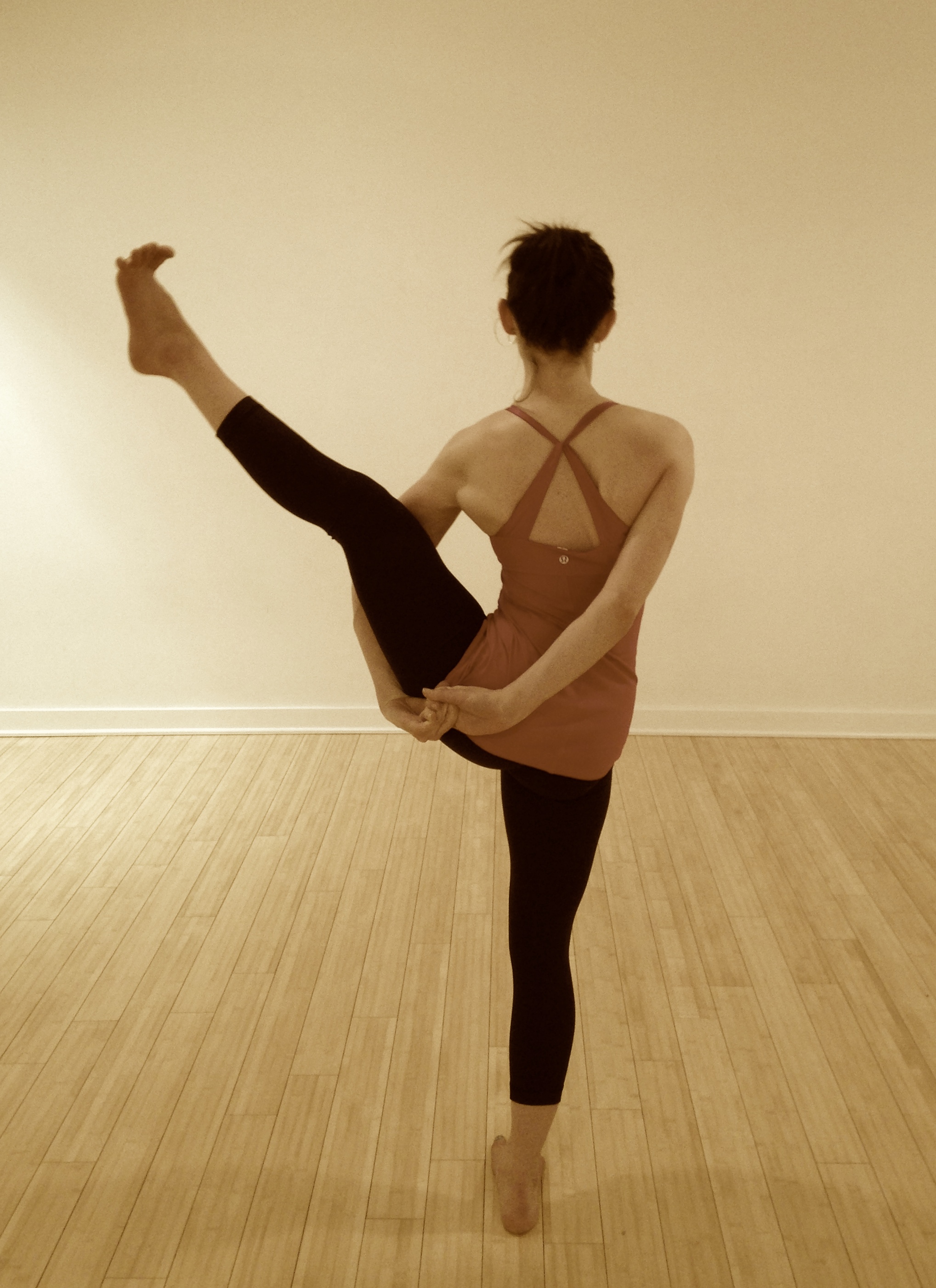
There are plenty of poses which I have difficulty or challenge with, but I understand them.  Take Birds of Paradise, where you bind your arms around one leg, stand up and then extend the bound leg.  As a proud member of the tight shoulder tribe, creating that much space in the bind is difficult.  To make matters worse, with a swimming/rotator injury I’m not even sure I should be binding on the right side.  That said, I have a very good understanding of the mulabandha lift, openness of the hips, the reach of the heart and the extension of the leg that is needed to fully embody the pose.  If I can talk you to your fullest expression, isn’t that teaching it?

With a strong understanding of the kramas, the energetics of a pose and thoughtful queuing  you can build a student toward a peak experience and many times get them farther than you can get yourself in the pose.  That said, if you are not confident or wavering in any of these areas, I think it’s okay and probably best if you don’t teach a pose (or a concept for that matter).  This is especially true if you can’t keep your students safe.  I would rather a teacher skip headstand or shoulderstand completely if they can’t queue a class for safe entry and exit.

I would also contend that you might be able to teach more thoroughly a pose you cannot do.  Sometimes, teachers forget about their natural openness or longtime cultivation of availability and can minimize the journey of students.  When teachers personally have limitations in a pose, they are generally more mindful and preparatory when they approach a pose.

In most classes there are a wide variety of students from inflexible to hyper-flexible, healthy to injured, young to old, and new to experienced.  I will continue to challenge and keep them safe when teaching poses, whether I can do them or not.

There’s a lot of fulfillment when you help someone else along in their journey.  When you are teaching for your students and not just for yourself you are truly teaching.  One mark of a good teacher is their desire for the student to surpass them.

Enjoy the journey, yours or the journey of your students!

Suzanne
1 Comment

A Very Vegan (and yummy) Valentine

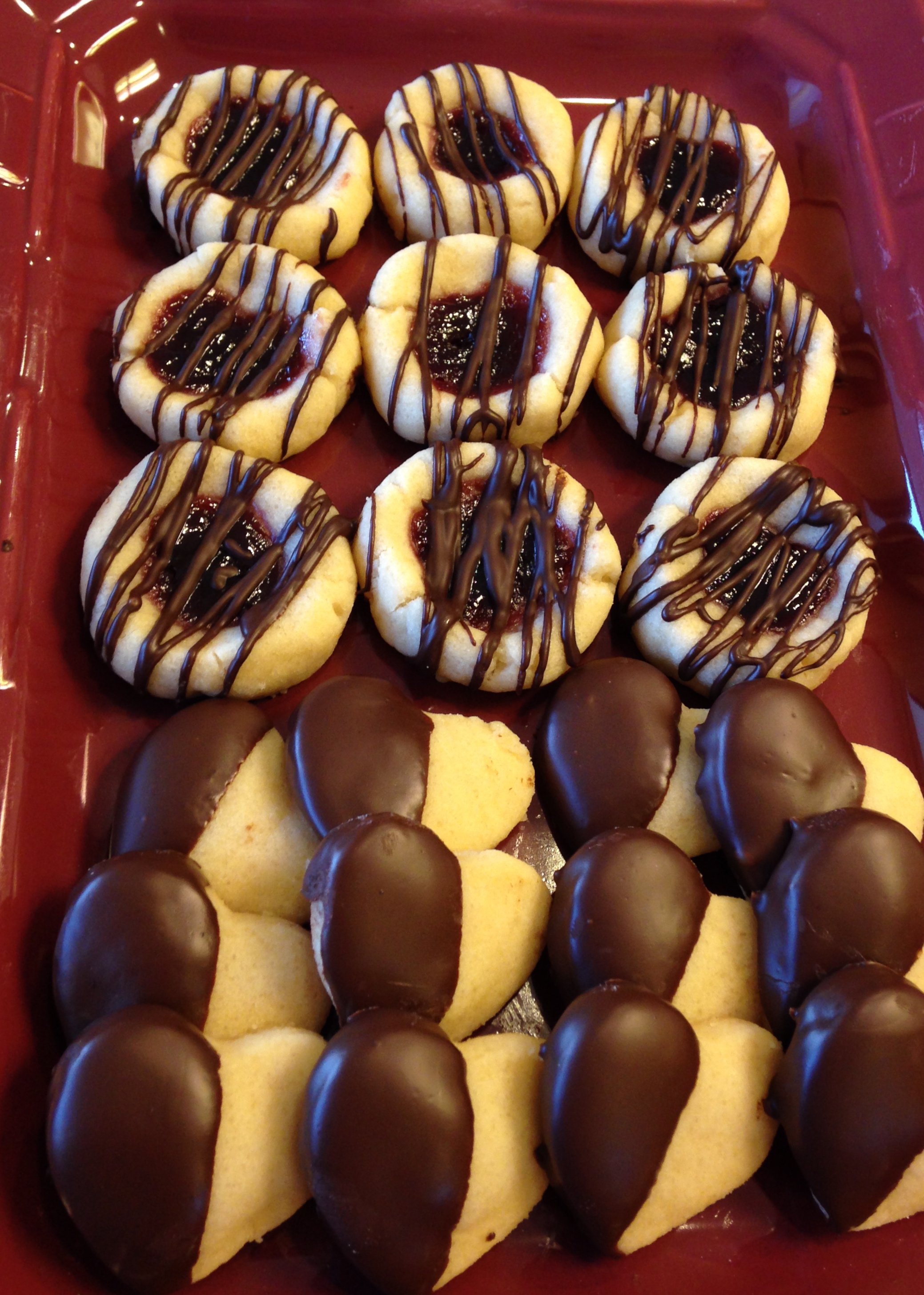
IMG_6507Enjoy this tasty and very easy shortbread cookie recipe that can be made two ways (and probably more).  Traditional shortbread dough does not contain eggs, so it’s an easy recipe to modify for your favorite vegan with a sweet tooth.  I love making these into thumbprint cookies with fruity jam.  You can also add a little love for Valentine’s Day by cutting them into heart shapes and dipping the cookies into chocolate.

Vegan Shortbread Cookies
1 cup butter substitute*
2/3 cup vegan sugar
1/2 teaspoon vanilla extract
2 cups flour
1/2 cup seedless jam (optional)
3 ounces vegan dark chocolate*

*I used Earth Balance Buttery Spread (original) and Dream Dark Chocolate.

Preheat oven to 350*.  In a mixing bowl, cream together butter substitute and sugar until smooth. Add vanilla and combine. Add flour and combine.

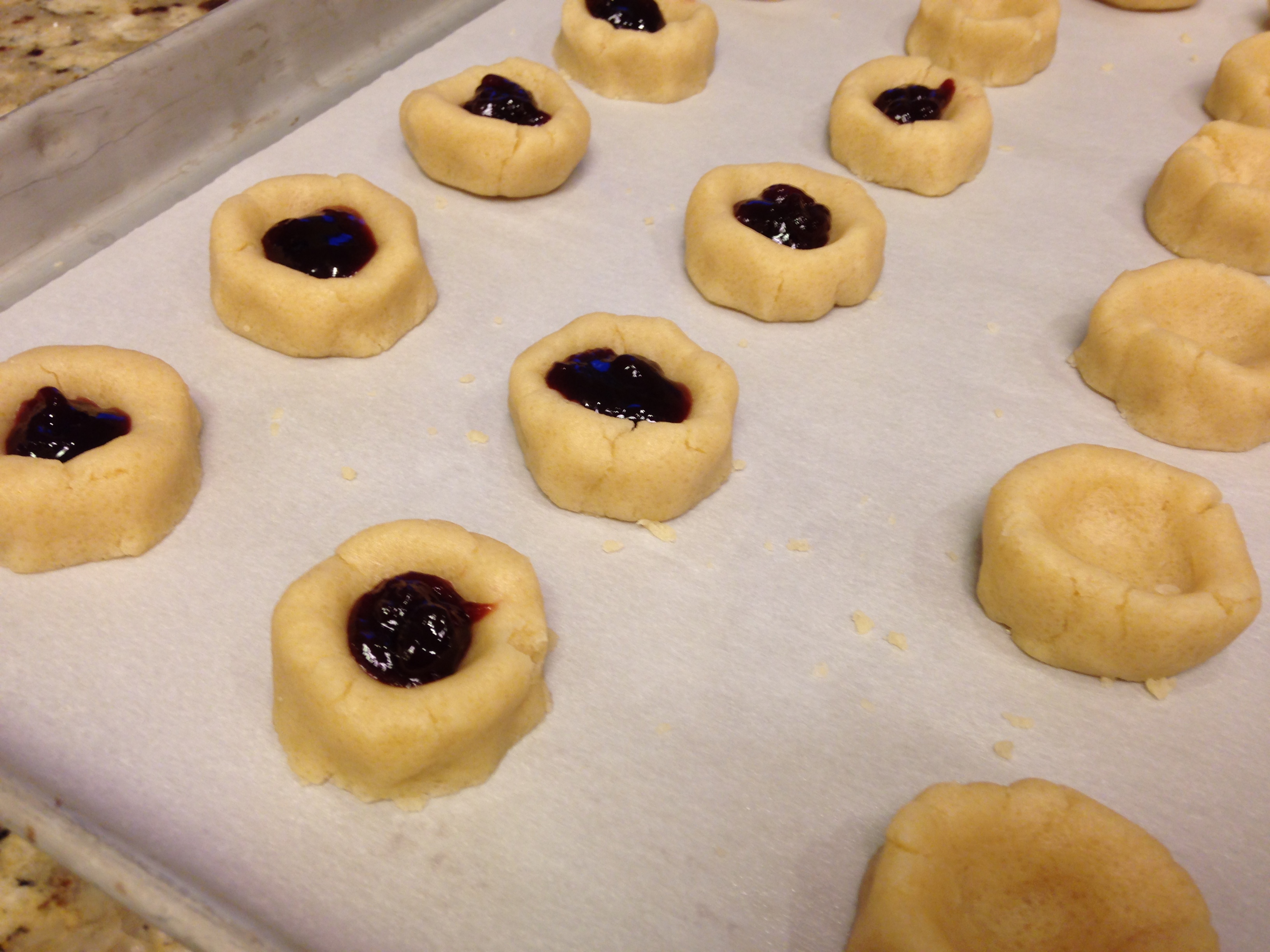
IMG_6500For thumbprint jam cookies drizzled with chocolate, roll dough into 1 inch balls. Place on a cookie sheet lines with parchment paper. Using your thumb, press the dough, making a small indent in the middle. Fill a sandwich bag or small pastry bag with jam.  Pipe the jam into the dented cookie dough. Bake for about 10 minutes.  Transfer to a cooling rack.  When the cookies are completely cooled, melt the chocolate in the microwave or double boiler until runny. Transfer to the sandwich or pastry bag.  Cut a small opening and drizzle the chocolate over the cookies.

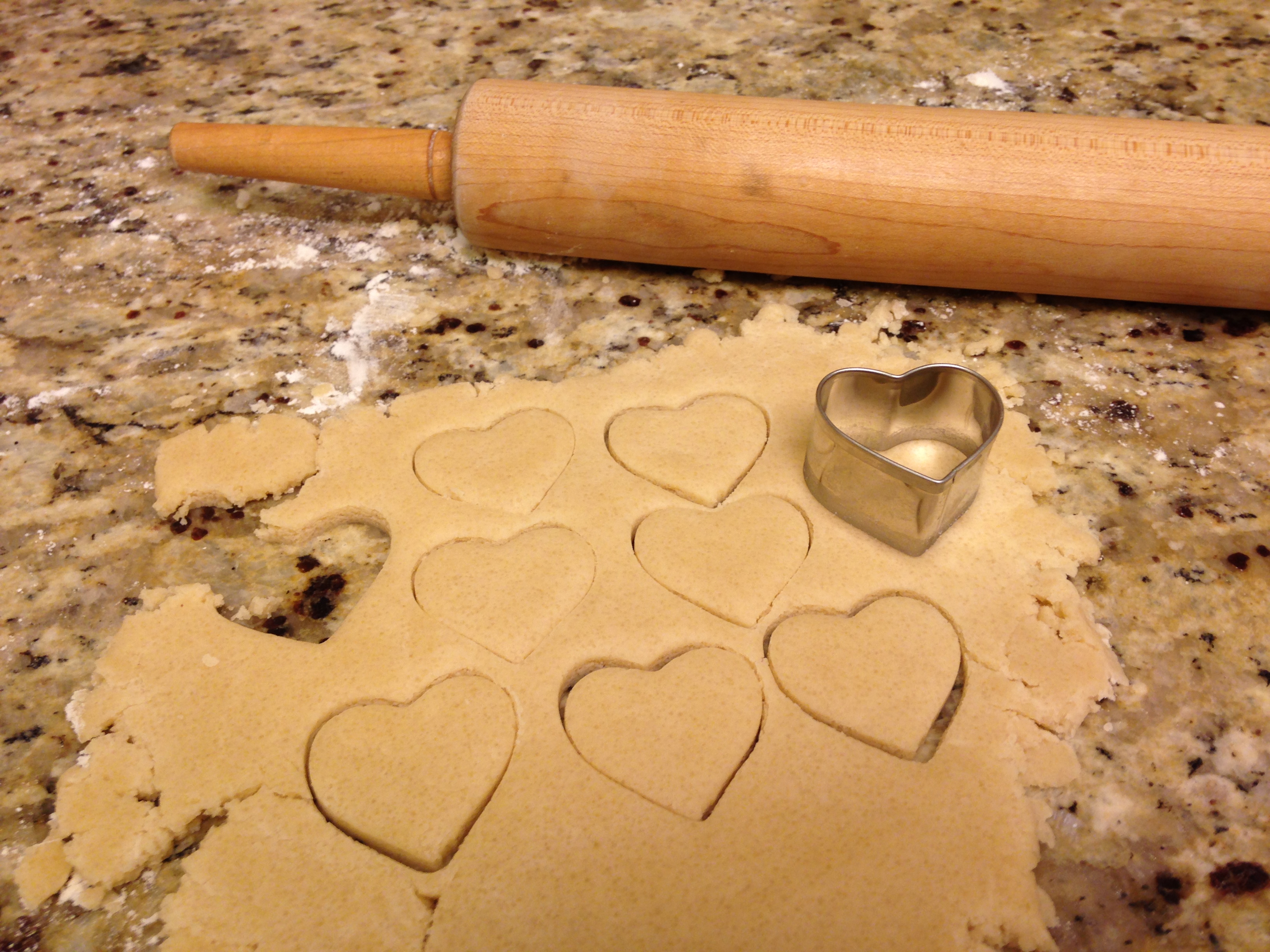
IMG_6501For cookies dipped in chocolate, wrap the dough in plastic and chill for 30 minutes. On a lightly floured surface, roll the dough to about 1/4 inch. Cut into 1 to 1 1/2 inch shapes with a cookie cutter and transfer to a cookie sheet lined with parchment paper. Bake for about 10 minutes.  Transfer to a cooling rack. When the cookies are completely cooled, melt the chocolate in the microwave or double boiler until runny.  Holding one side of the cookie, dip in chocolate, gently shake off the excess and place on a cookie sheet lined with parchment paper.

Makes about 3 dozen cookies.

When the chocolate sets package up and give to your favorite valentine, vegan or not, these are a crowd pleaser!

Enjoy the tasty journey!  Suzanne

Leave a comment

Yoga for Cyclists

Cycling

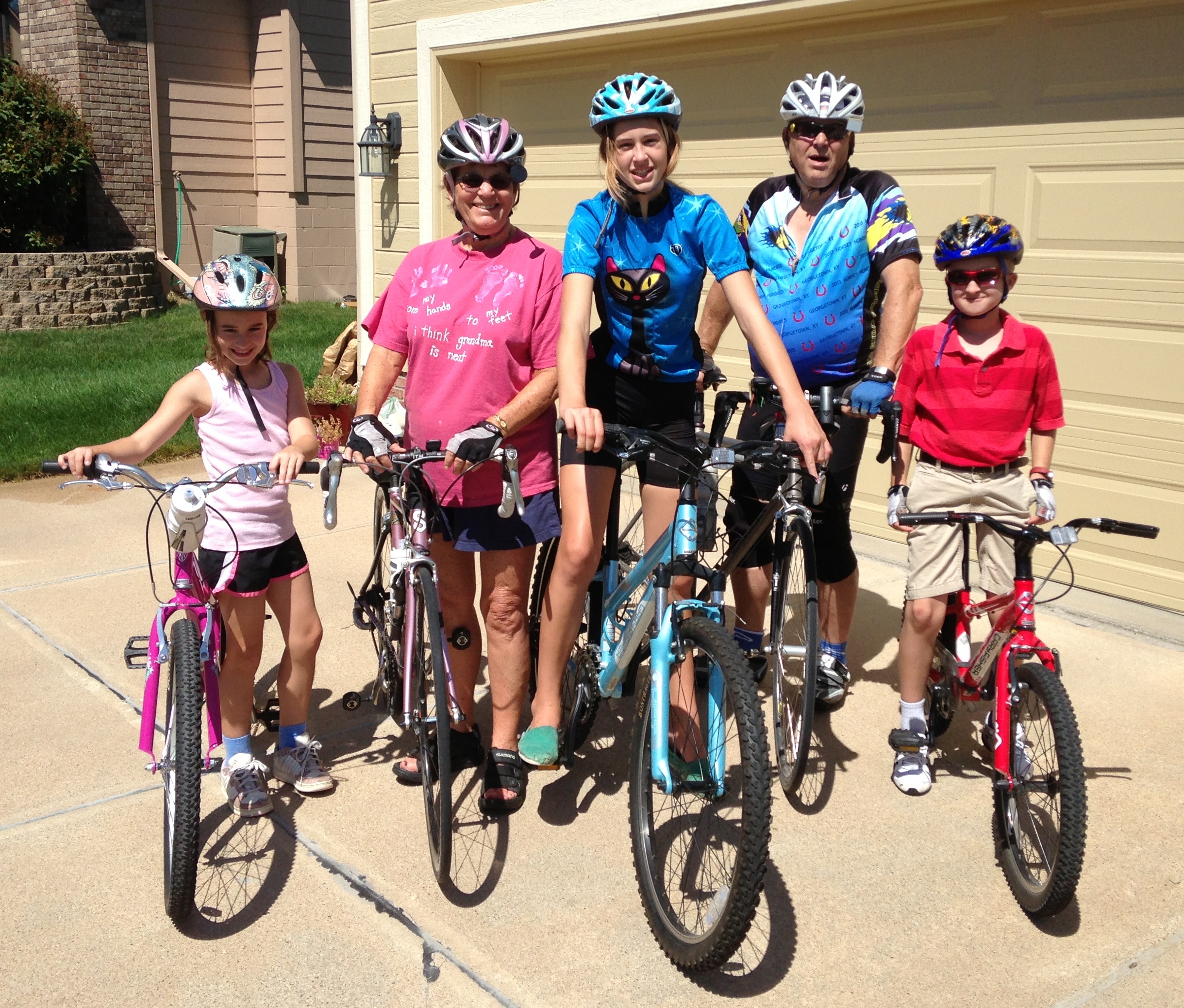
Cycling is a family affair. My kids with their grandparents (aka the bike fairies).

With each mile a cyclist logs, they also log tension and tightness in their feet, quads, hips and shoulders.  I know many cyclists would rather keep riding than carve out time for a few stretches, but incorporating some yoga can counter some of the tension accrued along with the miles.  Here are a few poses to work into your post-cycling routine.  Take 15-20 minutes after a ride to create openness and balance in the body.  Just throw down a mat or blanket before you load your gear up or head home.

IMG_9569Kneeling Lunge

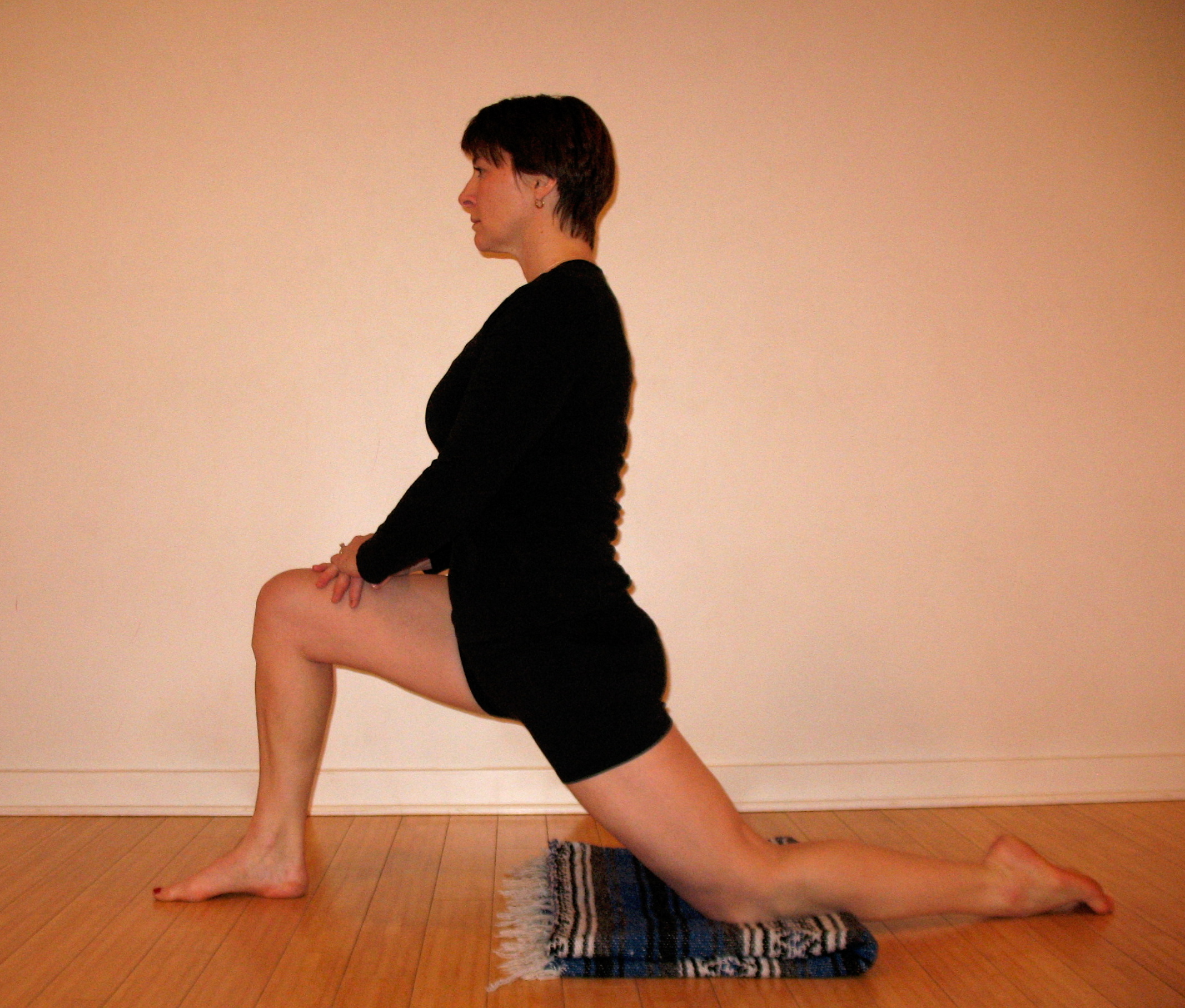
From downward facing dog, step the right foot in between the hands and bring the back knee down.  Cushion the knee with a towel or blanket if it needs a little love.  Keeping the knee behind or stacked over the ankle, take the hands to the thigh and find 5-10 deep slow breaths.   This pose stretches the hip flexor and quad.  It can also build strength in the knee joint.  For more challenge, gently squeeze the inner thighs towards one another, tuck the back toes and lift the back knee.  This will increase the attention to the hip flexor and provide additional challenge for the knee.  Be sure not to let the knee sneak past the ankle.  Repeat on the left side.

IMG_9581Broken Toe

From all fours, step the knees and feet to hip distance, tuck the toes (even the pinky toes if you can) and sit back on your heels.  For sensitive knees place a blanket behind the knee joint for cushion.  If this is too intense on your feet or quads, support your seat on a block or rolled blanket.  Stay in this kneeling posture for 5-10 breaths, but work to build up the time to 1-3 minutes.  Try to keep the breath full and notice if the tension from the feet and quads bubbles up to the shoulders or jaw.  This pose opens up the fascia of the feet, which have been confined to cycling shoes and provides relief to the quads which worked so hard during your ride.  Broken toe can be just about as enjoyable as it’s name, but with practice can actually be bearable and even welcome.

IMG_9574Seated Pigeon

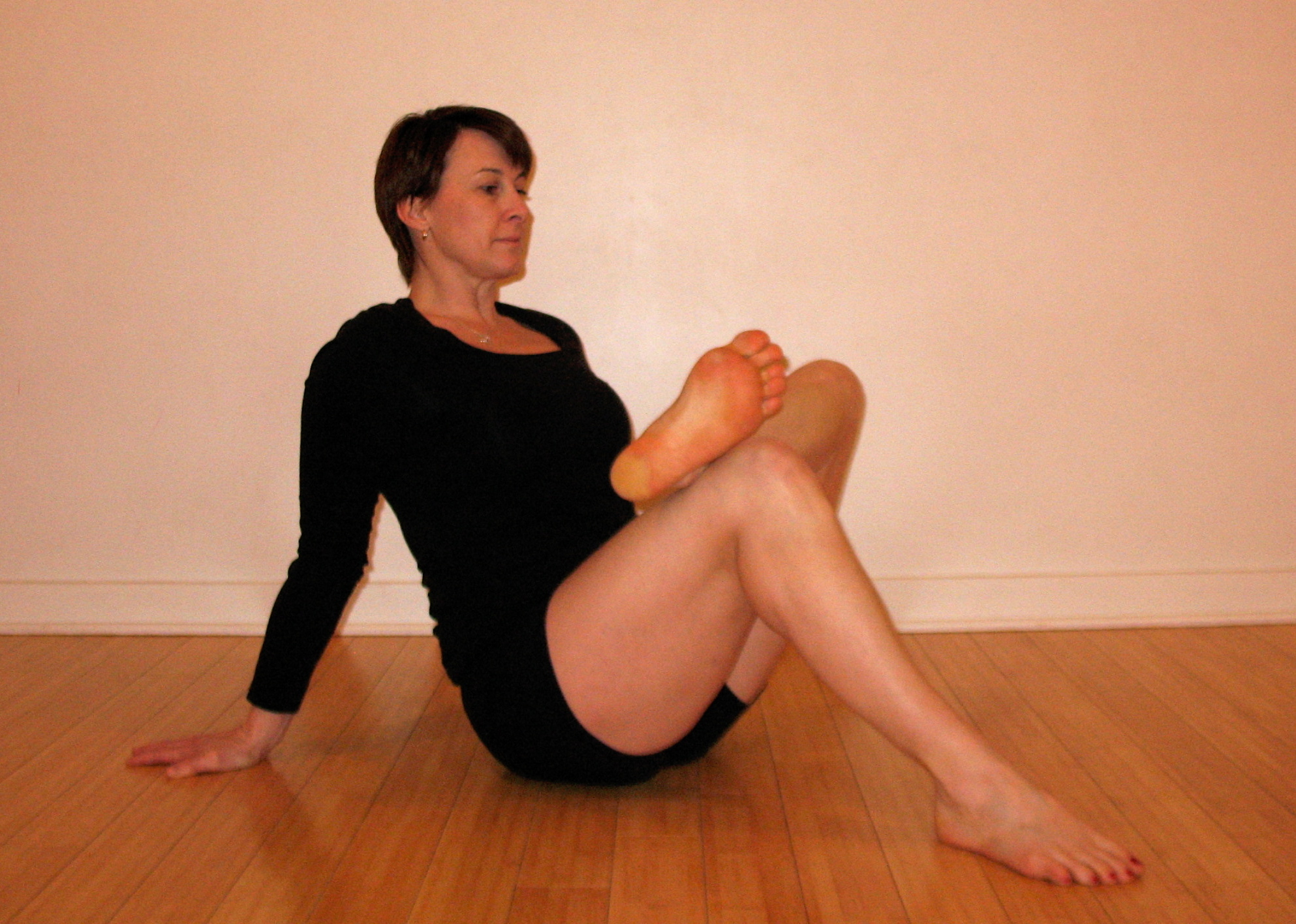
From a seated posture, take your legs in front of you about hip distance, knees bent, feet on the floor about 12 inches from your tail.  Take your hands behind you to prop up the spine.  Flex the left foot and cross the ankle over the right thigh, keep the knee reaching away from your chest.  If this is too intense, move the bottom foot away from your tail.  For more challenge, move the bottom foot closer to your tail.  Stay in this seated posture for 5-10 breaths.  Keep the spine long and notice if the shoulders want to creep up to the ears.  This pose opens up the hip area and can provide a gentle stretch to the knee.  Repeat on the right side.

IMG_9590Shoulder Stretch

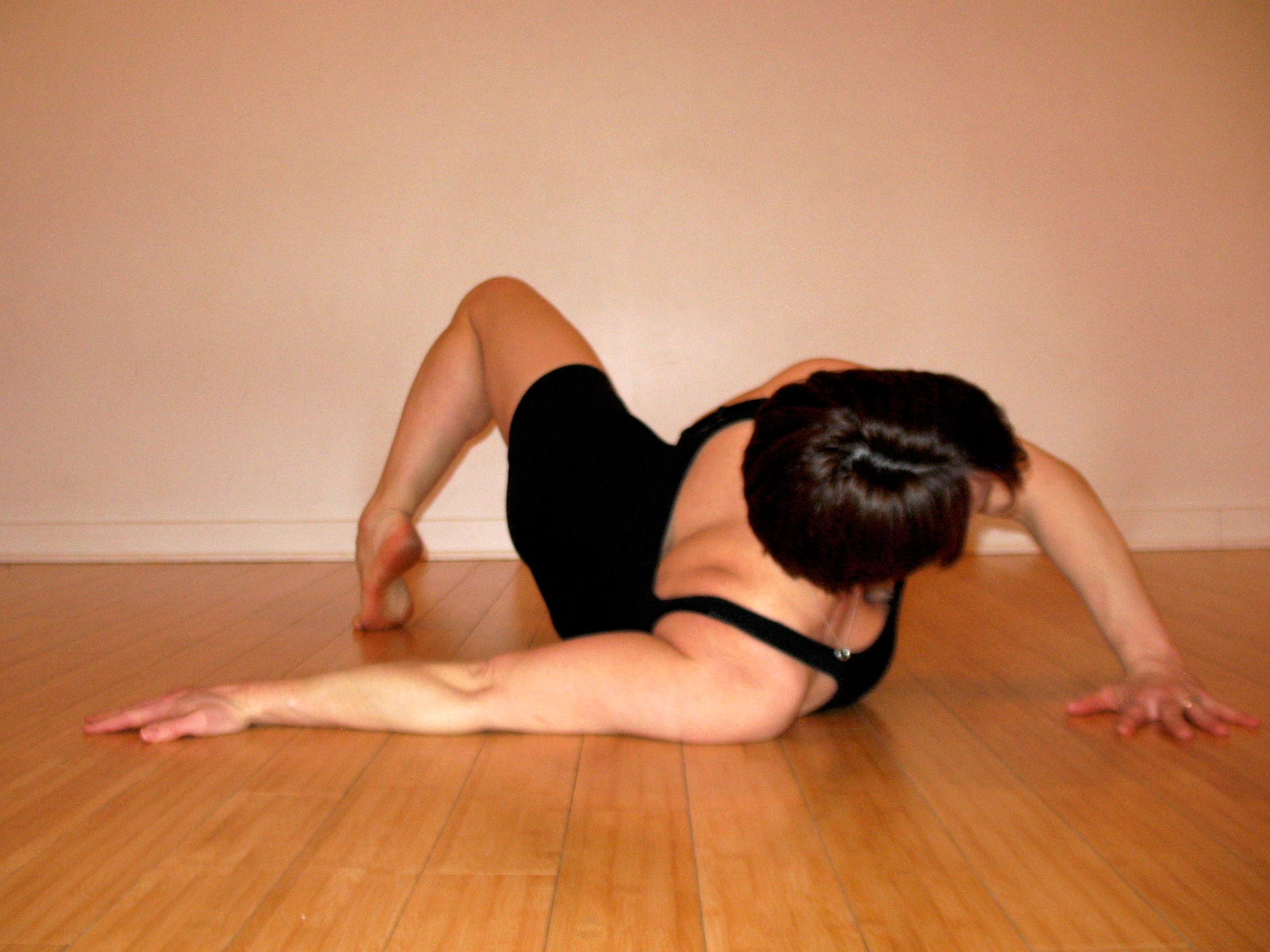
From your belly, stretch your arms out wide to make your body into the shape of a “t”.  Hands should be in line with the shoulder joint.  Bend the left elbow and press into the floor.  Bend the left knee and reach the toes over the right leg to the floor, rolling onto the right shoulder.  The head can be kept lifted or can rest on a rolled towel or the floor.  Stay in this pose for 5-10 breaths.  Repeat on the left side.  Come to a seated or kneeling posture.  With bent elbows, clasp the hands behind your back, with the heals of the hands together.  IMG_9584Soften the tops of the shoulders away from your ears and reach your shoulder heads away from the center of your body.  Slowly, begin to straighten the arms, keeping a bend in the elbow, to promote openness in the shoulders.  Only completely straighten the arms if you can keep the heals of the hands together and the tops of the shoulders heavy.  Breath for 5-10 breaths.  If you are unable to clasp your hands, grab on to opposite forearms, broaden the collarbone and reach the shoulder heads behind you.  Switch the clasp of the hands and repeat.

IMG_9589Tree Pose

From standing, spread the toes and press all four corners of the feet into the floor.  Shift the weight to your left foot and place the right foot on the calf or thigh, avoid pressing the foot into the knee.  The right knee will reach behind you.  Bring the hands the heart and press the foot and the standing leg together.  Reach tall through the crown of your head  and reach your tailbone to the floor.  Breath for 5-10 breaths.  Repeat on the other side.  This posture will allow you to check in and refine your balance.  It can be done before and after your ride.  Balance changes from day to day, so it’s a good idea to create awareness before hurtling down the road at 20-30 miles per hour.

If you are experiencing any discomfort or strain in your joints after riding, be sure to look into your alignment.  In yoga and cycling, proper alignment will help create the best results for an open, strong and healthy body.  Work with your local cycling shop or bike club to make sure your bike is the right size and is adjusted properly for you.  Sometimes little changes, like moving the seat back or adding a few stretches at the end of your ride can make a big impact on your enjoyment and longevity as a cyclist.

Enjoy the Journey,

Suzanne